Muscle strain recovery time: how long it takes & what affects healing
Find out exactly how long muscle strain recovery time takes by grade and location — plus the key factors that affect healing speed and evidence-based tips to recover faster.
Muscle strains are one of the most frequently occurring musculoskeletal injuries in both recreational and competitive athletes. Despite their prevalence, muscle strain recovery time is widely misunderstood — with many people returning to activity too early, risking re-injury, or resting far longer than necessary and losing valuable fitness.
This guide provides a comprehensive breakdown of how long muscle strains take to heal, what factors influence recovery speed, and what you can do to optimize the process at every stage.
What is a muscle strain?
A muscle strain occurs when muscle fibers are stretched beyond their elastic limit, causing them to tear. According to the National Institutes of Health, strains range from microscopic fiber disruption that causes soreness but maintains full function, to complete muscle ruptures that require surgical repair.[1]
Muscle strains are most common in muscles that cross two joints — such as the hamstrings (crossing the hip and knee), the rectus femoris (part of the quadriceps), and the gastrocnemius (calf). These muscles generate force while being stretched, making them particularly vulnerable during explosive activities like sprinting, jumping, and cutting.
Muscle strain recovery time by grade
Injury severity is classified in three grades, each with distinct recovery timelines. These benchmarks are based on clinical guidelines from the Journal of Orthopaedic & Sports Physical Therapy.[2]
Grade 1 muscle strain: 7–21 days
A Grade 1 strain involves tearing of less than 5% of muscle fibers. Structural integrity is intact and strength loss is minimal. Symptoms include localized tenderness, mild stiffness, and slight swelling. Most people can resume light activity within 5–7 days, but returning to full training before the 2-week mark without adequate strengthening significantly increases re-injury risk.
Grade 2 muscle strain: 3–8 weeks
A Grade 2 strain involves a partial tear with visible bruising, notable strength loss, and significant functional impairment. This is the most common presentation seen in sports medicine clinics. Recovery requires a structured rehabilitation program spanning 4–8 weeks, with athletes in high-demand sports allowing the full 8 weeks before returning to competitive activity.
Grade 3 muscle strain: 2–6 months
A complete rupture of the muscle belly or at the muscle-tendon junction. Symptoms include severe pain, immediate and extensive bruising, and inability to generate meaningful force. Some Grade 3 strains are managed conservatively, while proximal hamstring avulsions and complete quadriceps ruptures often require surgical repair. Muscle strain recovery time for Grade 3 injuries ranges from 2 to 6 months depending on the muscle and intervention required.
Recovery time by muscle group
Not all muscles heal at the same rate. Vascular supply, fiber type composition, and functional load all influence healing speed. The table below is based on data from the British Journal of Sports Medicine.[3]
| Muscle group | Grade 1 | Grade 2 | Grade 3 |
|---|---|---|---|
| Hamstrings | 2–3 weeks | 4–8 weeks | 3–6 months |
| Quadriceps | 1–2 weeks | 3–6 weeks | 2–4 months |
| Calf (gastrocnemius) | 2–3 weeks | 4–8 weeks | 3–5 months |
| Hip flexors (iliopsoas) | 1–2 weeks | 3–6 weeks | 2–4 months |
| Adductors (groin) | 1–2 weeks | 3–6 weeks | 2–4 months |
| Pectoralis major | 2–3 weeks | 4–8 weeks | 3–5 months (often surgical) |
Key factors that affect muscle strain recovery time
Recovery timelines are averages — individual outcomes vary significantly based on both modifiable and non-modifiable factors. Understanding these helps you identify where you can make the biggest impact.
The 3 phases of muscle strain healing
Aligning your rehabilitation approach to the biological phase of healing is the foundation of effective recovery. Each phase has a distinct goal and appropriate interventions.
How to optimize muscle strain recovery time
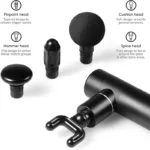
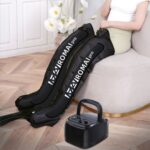
Support every phase of your recovery with the right tools — compression, resistance bands, and foam rollers built for rehabilitation.
Shop recovery tools at WRT →Warning signs that recovery is not progressing normally
- Pain that is not decreasing week over week
- Increasing swelling or bruising after day 5
- Significant weakness not improving with rehabilitation
- Pain radiating beyond the local injury site
- Numbness or tingling near the injured area
An ultrasound or MRI can rule out complications including nerve impingement, myositis ossificans, or more extensive structural damage than initially suspected. The American Orthopaedic Society for Sports Medicine recommends imaging for Grade 2 or above injuries not improving as expected.[5]
Frequently asked questions
Muscle strain recovery time is 7–21 days for Grade 1, 3–8 weeks for Grade 2, and 2–6 months for Grade 3 injuries. Recovery speed is influenced by injury severity, age, nutrition, sleep quality, and — most importantly — rehabilitation quality. The evidence is consistent: early, progressive loading in a structured program produces better outcomes than rest alone. Use the right recovery tools, address the underlying causes of your injury, and return to training only when your body — not the calendar — is ready.
- National Institutes of Health — Muscle Strain Classification and Pathophysiology
- Journal of Orthopaedic & Sports Physical Therapy — Clinical Rehabilitation Guidelines for Muscle Strains
- British Journal of Sports Medicine — Recovery Time Benchmarks by Muscle Group
- British Journal of Sports Medicine — Sleep Deprivation and Injury Recovery in Athletes
- American Orthopaedic Society for Sports Medicine — Re-injury Rates and Return-to-Sport Criteria