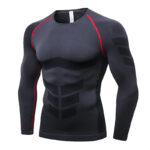
compression sleeves for muscle recovery
Compression sleeves for muscle recovery: do they actually work?
Do compression sleeves actually work for muscle recovery? We break down the science — how they work, what the research shows, which type to choose, and how to use them correctly.
✓ Reviewed by a certified sports rehabilitation professional
Medical content — for educational use only
Important: This content is for educational purposes only and does not replace professional medical advice. Consult a healthcare professional if you have underlying circulatory or vascular conditions before using compression garments.
Compression sleeves for muscle recovery have become a staple in athletic wear — you’ll see them on runners, weightlifters, cyclists, and anyone recovering from a muscle injury. But are they actually effective, or are they an expensive fashion statement?
The honest answer based on available research: yes, compression sleeves provide measurable benefits for muscle recovery — particularly for reducing soreness, swelling, and the recovery of performance between sessions. But the magnitude of benefit, the conditions under which they work best, and the type of sleeve that delivers results all matter significantly.
How compression sleeves are supposed to work
To evaluate whether compression sleeves for muscle recovery deliver on their promises, you first need to understand the proposed mechanisms.
1
Improved venous return
Compression garments apply graduated external pressure — highest at the extremity, decreasing toward the core. This gradient assists the venous system in returning deoxygenated blood from the limbs back to the heart, reducing venous pooling and edema (swelling). This mechanism is well-established in clinical management of venous insufficiency, as documented by the
National Center for Biotechnology Information.
[1]
2
Reduced muscle oscillation
During running and impact activities, muscles undergo significant oscillation — repetitive vibration as the foot strikes the ground. Compression garments constrain this oscillation, reducing the microtrauma associated with high-frequency muscle vibration. This is theorized to reduce delayed onset muscle soreness (DOMS) following impact-heavy training sessions.
3
Enhanced proprioception
Compression garments increase sensory input from the skin surface, enhancing the body’s sense of joint position and limb movement. This improved kinesthetic awareness reduces compensatory movement patterns that develop around injured areas, potentially lowering re-injury risk during return-to-training.
4
Psychological “armor effect”
The confidence boost from wearing compression gear is not trivial. Research in sports psychology shows athletes who believe a recovery intervention is effective demonstrate better psychological recovery indicators, less re-injury anxiety, and improved pain tolerance. Compression sleeves consistently receive high subjective satisfaction scores in clinical studies.
What does the research actually show?
Soreness
Significant DOMS reduction at 24 and 48 hours
A 2017 meta-analysis in the
British Journal of Sports Medicine, examining 23 randomized controlled trials, found that compression garments produced a statistically significant reduction in muscle soreness at 24 and 48 hours post-exercise. The effect size was moderate — meaningful but not dramatic.
[2]
Strength
Faster recovery of muscle strength and power
Swelling
Genuine reduction in post-exercise edema
Compression sleeves consistently reduce limb circumference measurements at 24–48 hours post-exercise, reflecting genuine reduction in swelling. This effect is most pronounced in lower limb applications and following high-volume endurance training.
Performance
Limited effect on peak performance
Compression does not meaningfully improve peak exercise performance in most research. Its value is specifically in recovery — reducing the physiological cost of intense training so that subsequent sessions can be completed at a higher quality.
Compression levels: choosing the right mmHg
Compression is measured in millimeters of mercury (mmHg). The level you choose determines both the benefit and the appropriateness for your activity.
Light / mild
Appropriate for everyday wear, travel, and light activity. Provides circulatory support without performance impact. Best for low-intensity recovery days and overnight wear.
Moderate — sweet spot
The most commonly recommended range for sports recovery. Meaningful support for soreness reduction and swelling control without restricting movement. The sweet spot for most athletes post-workout.
Firm — clinical use
Typically used for clinical conditions (varicose veins, lymphedema). Can be appropriate for significant post-injury swelling but may feel restrictive during active wear. Higher is not always better.
Types of compression sleeves: which is right for you?
Calf sleeves
The most widely researched type. Target the gastrocnemius and soleus, reducing soreness and swelling in runners and lower-body athletes. Most effective for post-run recovery and standing occupations.
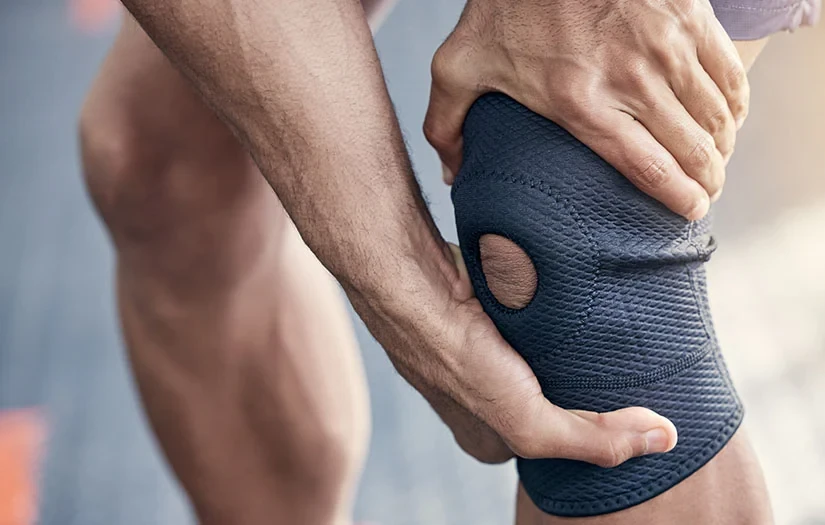
Knee sleeves
Primarily provide joint support and proprioception. Used for knee pain management and post-knee injury recovery. Graduated compression supports muscle recovery; the structural element supports joint stability.
Quad / thigh sleeves
Evidence supports use for reducing quadriceps soreness and swelling following heavy lower body resistance training and downhill running. Less commonly used but increasingly researched.
Full-leg tights
Comprehensive lower limb support. Most practical for overnight recovery wear and post-race recovery. Evidence supports full-leg compression for post-marathon and post-triathlon recovery over 12–24 hours.
Arm / forearm sleeves
Used in throwing sports, racket sports, and upper body training. More limited research base than lower limb sleeves, but the mechanisms are theoretically equivalent and clinical application is growing.
Ankle sleeves
Support proprioception and reduce swelling around the ankle joint. Particularly useful during early return-to-activity after ankle sprains, combined with progressive loading protocols.
Browse WRT’s full range of compression sleeves and recovery garments across all major muscle groups.
When and how to use compression sleeves for maximum benefit
During training
Use 15–20 mmHg only
Wearing compression during exercise primarily reduces muscle oscillation and may slightly reduce perceived exertion during high-volume training. Keep to 15–20 mmHg during activity to avoid restricting blood flow.
Post-workout
Highest-evidence window — use 20–30 mmHg
Wearing compression in the first 1–4 hours after intense training has the greatest impact on reducing swelling and initiating soreness prevention. This is when the evidence is strongest for benefit.
Overnight
12–24 hours for high-intensity sessions
Extended compression wear during sleep is used by many endurance athletes after races and high-volume training weeks. Use 15–20 mmHg only for overnight wear to avoid circulatory compromise during prolonged application.
Injury recovery
Appropriate from day one of a strain or bruise
Compression limits acute swelling, provides support, and enhances proprioception during rehabilitation. It should always be comfortable — never causing pain, numbness, or tingling. If it does, size up.
Practical 4-step protocol for general training recovery
Your post-workout compression routine
2
Wear for 4–8 hours, or overnight for high-intensity sessions or race days
3
Use 20–30 mmHg graduated compression for the targeted muscle group
4
Combine with elevation where possible — legs elevated while wearing calf sleeves significantly amplifies the swelling-reduction effect
Choosing the right compression sleeve
✓ Look for
- Graduated compression (highest at extremity)
- Moisture-wicking, breathable fabric
- Correct fit per manufacturer’s size guide
- Durable construction rated for 60–100+ wash cycles
- Flat or minimal seams in sensitive areas
✗ Avoid
- Uniform compression (non-graduated) garments
- Rough seams over post-injury areas
- Sizing up to increase comfort — loose sleeves provide no benefit
- Cheap elastics that lose compression after a few washes
- Products without clear mmHg ratings on the label
Find properly graded compression sleeves for every muscle group in the WRT shop — all rated, sized, and selected for athletic recovery use.
Pairing compression with recovery nutrition
Compression sleeves address the mechanical side of recovery. For complete recovery, pair them with the right nutritional support:
Recommended supplement stack alongside compression recovery:
Protein (1.6–2.2g/kg/day) to drive muscle protein synthesis, magnesium glycinate before bed to reduce cramps and support sleep, and omega-3 fatty acids (2–4g EPA+DHA) to modulate inflammation. Browse evidence-backed options for all three at BestNaturalSupplements.us — our trusted supplement partner for quality recovery nutrition.
Are compression sleeves safe for everyone?
For most healthy individuals, compression sleeves are safe and well-tolerated. However, avoid or consult a healthcare provider before use if you have:
⚠ Consult your doctor before use if you have:
- Peripheral artery disease (PAD) — compression can worsen arterial insufficiency
- Peripheral neuropathy — reduced sensation makes it harder to detect problematic compression
- Severe skin conditions or open wounds in the target area
- Deep vein thrombosis — seek medical assessment first
Get the right compression sleeves for your training and combine them with evidence-backed recovery supplements for a complete approach.
Frequently asked questions
Can compression sleeves replace other recovery methods?
No. Compression sleeves are a useful adjunct — they reduce soreness and swelling — but they don’t substitute for adequate sleep, protein intake, progressive rehabilitation loading, or other evidence-based fundamentals. Use them as part of a complete system, not as a standalone solution.
How tight should a compression sleeve be?
Firm but comfortable. You should be able to slide two fingers under the sleeve at both the top and bottom edges. If you experience numbness, tingling, or skin color changes, remove the sleeve immediately and choose a larger size. Pain or discoloration means the compression is too high for your circulation.
Do compression sleeves help with shin splints?
Compression calf sleeves can reduce pain and swelling associated with shin splints (medial tibial stress syndrome) and support recovery between training sessions. However, they do not treat the underlying cause — training load management, running gait assessment, and progressive strength work are also needed for lasting resolution.
How do I wash compression sleeves?
Hand wash or machine wash on a gentle cycle in cold water. Avoid high heat drying — it degrades the elastic fibers and reduces compression effectiveness over time. Air dry flat. Most quality compression garments maintain effective compression for 60–100 wash cycles before needing replacement.
What supplements work best alongside compression sleeves?
Magnesium glycinate (for muscle relaxation and sleep), omega-3 fatty acids (for inflammation modulation), and adequate protein (for tissue repair) are the most evidence-backed complements to compression recovery. Find quality options at
BestNaturalSupplements.us.
The bottom line
Compression sleeves for muscle recovery provide real, research-supported benefits: reduced DOMS, faster strength recovery, and genuine swelling reduction. The evidence is strongest for post-exercise wear at 20–30 mmHg in the 4–24 hours following intense training. They work best as part of a comprehensive recovery system — combine them with quality recovery tools from WRT and evidence-backed supplements from BestNaturalSupplements.us for a complete approach to muscle recovery.