intercostal muscle strain recovery time
Intercostal muscle strain recovery time: how long it takes to heal
Find out how long intercostal muscle strain recovery takes, what affects healing, and how to recover faster with a structured approach to rehab, breathing, and pain management.
✓ Reviewed by a certified sports medicine professional
⚠ Chest pain? Seek emergency care first
Medical content — for educational use only
⚠ Important: If you are experiencing chest pain, seek immediate medical evaluation to rule out cardiac or pulmonary causes before reading this article. Do not delay emergency care.
This article is for educational purposes only and does not constitute medical advice. Always consult a qualified healthcare provider for diagnosis and treatment.
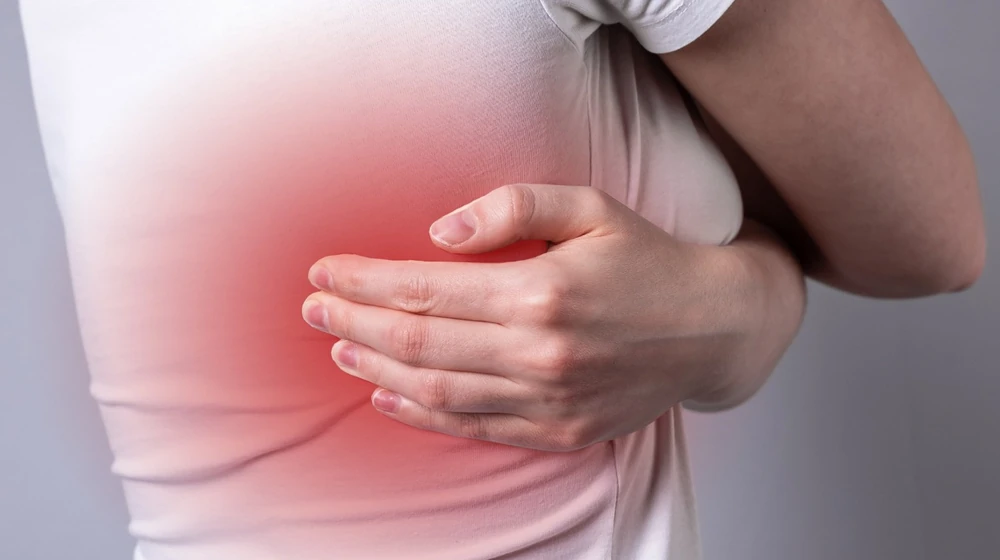
Intercostal muscle strains are uniquely uncomfortable injuries. Unlike a pulled hamstring that you can rest by avoiding running, your intercostal muscles — the muscles between your ribs — are involved in every single breath. This makes rest difficult, pain persistent, and recovery feel more complicated than other muscle injuries.
The good news: intercostal strains are generally not serious, and most people recover fully. Understanding intercostal muscle strain recovery time, the factors that affect healing, and the evidence-based strategies to manage and accelerate recovery makes an enormous practical difference.
What are the intercostal muscles?
The intercostal muscles are three layers of muscle and fascia filling the spaces between the ribs, as described in clinical anatomy resources from StatPearls at the NIH:[1]
External intercostals
Responsible for raising the ribcage during inhalation. The most commonly strained layer.
Internal intercostals
Assist with forced exhalation and stabilize the ribcage during heavy breathing effort.
Innermost intercostals
Support respiratory mechanics and provide deep stabilization of the ribcage structure.
Because these muscles are active roughly 12–20 times per minute at rest — and far more during exercise — they never get complete rest after injury. This is the primary reason intercostal muscle strain recovery time feels more prolonged than equivalent injuries in other locations.
Common causes of intercostal muscle strains
Sudden, forceful torso twisting (golf swing, throwing, racket sports)
Heavy lifting with poor mechanics — especially overhead pressing or loaded rotation
Violent coughing or sneezing — a surprisingly common cause of Grade 2 strains
Direct blows to the ribcage from contact sports or falls
Repetitive overhead activity: swimming, rowing, climbing
Extreme breathing effort during intense endurance exercise
Symptoms: how to identify an intercostal strain
Intercostal strains are often confused with other causes of chest and rib pain. Typical symptoms include:
Sharp localized painIn one or more intercostal spaces, worsening with movement
Breathing painPain that worsens with deep inhalation — the defining symptom
Movement painTwisting, bending sideways, or reaching overhead
Tenderness on touchAlong the affected rib space when pressed
SplintingUnconsciously breathing shallowly to minimize pain
Muscle spasmTightening alongside the affected ribs between episodes of pain
⚠ Seek emergency medical care immediately if you experience:
- Chest pain radiating to the arm, jaw, or back
- Shortness of breath at rest
- Coughing blood
- Rapid heart rate with dizziness or lightheadedness
- Fever accompanying chest pain
Intercostal muscle strain recovery time by grade
Recovery timelines are based on clinical guidelines from the Journal of Orthopaedic & Sports Physical Therapy.[2]
Grade 1 — mild
1–3 wks
Normal activity resumes within 1–2 weeks
Grade 2 — partial tear
3–7 wks
Structured rehab essential — feels worse than equivalent limb injury
Grade 3 — complete tear
2–3 mo
Rare — requires specialist assessment to rule out rib fracture
Factors that affect intercostal strain recovery time
💨
Breathing demands
Any activity that increases respiratory rate — exercise, stress, prolonged talking — increases mechanical load on the intercostals. Unlike limb injuries where you can offload the structure, intercostal muscles are continuously stressed. This is the primary reason recovery takes longer than equivalent injuries elsewhere.
⚡
Injury mechanism
Sudden traumatic tears (from a golf swing or throw) tend to be more localized and heal faster than strains from repetitive overuse (rowing, persistent coughing), which are associated with broader tissue damage and slower resolution.
👤
Age
Satellite cell activity — the driver of muscle fiber repair — declines progressively after age 30. Athletes over 40 should plan for recovery at the longer end of the expected range and may benefit from higher protein intake to compensate.
😴
Splinting behavior
Consistently breathing shallowly to avoid pain creates secondary problems: reduced lung volume, increased mucus retention, and impaired respiratory muscle function. Controlled deep breathing, despite being uncomfortable, is essential for preventing complications and maintaining flexibility during recovery.
🛌
Sleep position
Many people with intercostal strains find certain sleep positions significantly more painful than others. Finding a comfortable position reduces sleep disruption — and since growth hormone is primarily secreted during slow-wave sleep, quality sleep directly impacts tissue repair speed.
How to recover from an intercostal muscle strain
Rest from provocative activities. You cannot rest your breathing, but avoid activities that significantly worsen pain: heavy lifting, twisting, upper body training, and high-intensity cardio. Light walking is appropriate for most Grade 1 and early Grade 2 strains.
Ice for pain management. Apply ice wrapped in a cloth to the affected area for 15–20 minutes every 2–3 hours during the first 48 hours. Never directly on skin.
Pain management. Over-the-counter analgesics (paracetamol/acetaminophen) can make breathing more comfortable during the acute phase. Consult your pharmacist or doctor for appropriate recommendations.
Avoid taping. Rib taping or tight bandaging around the chest was historically recommended but is now discouraged — it significantly restricts lung expansion and increases pneumonia risk.
This is the most critical and most frequently neglected component of intercostal strain rehabilitation. As emphasized in British Journal of Sports Medicine respiratory rehab guidelines, controlled breathing must begin early to prevent secondary complications.[3]
Three key breathing exercises
Diaphragmatic breathing
Lie on back, one hand on chest, one on abdomen. Breathe so the abdominal hand rises while the chest hand remains still. Reduces intercostal muscle demand.
Incentive spirometry
If available, use 10–15 times every 2 hours during acute phase to maintain lung volume and prevent mucus plugging.
Gradual deep breathing
From days 3–5, take 3–5 progressively deeper breaths every hour. Uncomfortable but essential for preventing stiffness and respiratory complications.
Thoracic mobility with a foam roller. Gentle thoracic extension over a foam roller positioned across the mid-back reduces stiffness in the thoracic spine and surrounding ribcage, relieving secondary tension from pain-avoidance postures.
Gentle trunk rotation. Seated rotations at a very small range, progressively increasing over days, prevent the loss of rotational mobility that commonly accompanies prolonged intercostal pain.
Upper limb movement. Gentle shoulder and arm movements maintain upper body mobility without directly loading the intercostals.
Return should be symptom-guided, not time-based alone. Follow this general progression:
Weeks 2–3
Walking, lower body exercise (squats, lunges) if pain-free, stationary cycling
Weeks 3–4
Light upper body training avoiding loaded rotation and overhead pressing; swimming if breathing is pain-free
Weeks 4–6
Progressive return to full upper body training; light sport-specific drills
Week 6+
Full return to sport when pain-free through all sport-specific movements
Support tissue repair with these key nutrients. Find evidence-backed options for all of these at BestNaturalSupplements.us — our trusted supplement partner for quality recovery nutrition:
Protein
1.6–2.2g/kg/day to support collagen and muscle fiber repair throughout recovery.
Vitamin C
500–1000mg daily. Essential for collagen synthesis — directly supports rib intercostal tissue repair.
Omega-3 fatty acids
2–4g EPA+DHA daily to modulate the inflammatory response without suppressing healing.
Magnesium glycinate
200–400mg elemental before bed. Reduces muscle spasm and supports the deep sleep where growth hormone peaks.
Sleep positioning for intercostal strain
Finding a comfortable sleep position significantly impacts recovery quality. Disrupted sleep delays growth hormone secretion and meaningfully slows tissue repair.
✓
Side-lying on the unaffected side
Place a pillow between the arm and torso on the affected side to reduce rib expansion pressure on the injured intercostal space. Most commonly reported comfortable position.
✓
Semi-reclined at 30–45 degrees
Propped on several pillows or in a recliner. Many individuals find this significantly more comfortable than fully horizontal as it reduces the mechanical stretch on the ribcage.
✗
Avoid the affected side
Lying on the injured side compresses the intercostal space and consistently increases pain. Avoid this position until fully pain-free on the affected side.
When to see a doctor
⚠ Seek medical evaluation if:
- Symptoms match any of the emergency red flags listed above
- Pain is not improving after 1–2 weeks of conservative management
- You develop fever, productive cough, or progressive shortness of breath
- The injury occurred from significant trauma — rib fractures must be excluded
- You are unable to breathe comfortably at rest
The American Orthopaedic Society for Sports Medicine notes that non-displaced rib fractures are frequently missed on plain X-ray films — a CT scan is significantly more sensitive for any traumatic mechanism of injury.[4]
Support your intercostal recovery with the right tools and evidence-backed nutrition — foam rollers for thoracic mobility, and supplements for tissue repair.
Frequently asked questions
Can I exercise with an intercostal strain?
Light lower-body exercise and walking are generally appropriate from the early stages. Upper body training, heavy lifting, and high-intensity cardio that significantly increases breathing effort should be avoided until pain allows. Stationary cycling is a good early option — it maintains cardiovascular fitness without loading the ribcage.
How do I know if it’s a rib fracture or a muscle strain?
Clinically, the symptoms overlap significantly and can be difficult to distinguish without imaging. An X-ray can identify most rib fractures, though non-displaced fractures are frequently missed. A CT scan is significantly more sensitive. If the injury resulted from significant trauma (fall, collision, car accident), seek medical evaluation to exclude fracture before self-managing.
Will deep breathing make the injury worse?
No — controlled deep breathing exercises are essential for maintaining lung health and intercostal muscle flexibility during recovery. The short-term discomfort from breathing exercises is preferable to the respiratory complications and prolonged stiffness that result from consistently shallow breathing (splinting).
Can intercostal strains become chronic?
Yes — inadequately rehabilitated intercostal strains can develop into chronic pain conditions, particularly if normal breathing patterns are not restored and thoracic mobility is not maintained through rehabilitation. Structured rehab — not just rest — significantly reduces this risk.
What supplements help with intercostal strain recovery?
Protein (for muscle and collagen repair), vitamin C (for collagen synthesis), omega-3s (for inflammation modulation), and magnesium glycinate (for muscle relaxation and sleep quality) are the most evidence-backed options. Find quality versions of all four at
BestNaturalSupplements.us.
The bottom line
Intercostal muscle strain recovery time ranges from 1–3 weeks for mild strains to 2–3 months for complete tears. The unique challenge is that these muscles are active with every breath, making rest impossible. Successful recovery requires structured breathing exercises, progressive mobility work, appropriate pain management, and a gradual return to activity. Support tissue repair with the right nutrition from BestNaturalSupplements.us and use foam rollers and recovery tools for thoracic mobility from week 2 onward. Do not minimize this injury — invest in proper rehabilitation and it will resolve fully.