protein supplements for muscle recovery
Best protein supplements for muscle recovery: what actually works
Discover the best protein supplements for muscle recovery backed by science — including whey, casein, plant-based options, optimal timing, dosage, and what to avoid.
✓ Reviewed by a certified sports nutrition specialist
Nutrition content — for educational use only
Important: This article is for educational purposes only and does not constitute medical or nutritional advice. Consult a registered dietitian or healthcare professional before making significant changes to your supplement regimen.
Walk into any supplement store and you’ll find dozens of protein products making bold claims about muscle recovery. But which protein supplements for muscle recovery are actually supported by evidence, and which are marketing dressed up in scientific-sounding language?
This guide cuts through the noise with an evidence-based breakdown of every major protein supplement category — how they work, optimal doses, timing strategies, and how to choose the right one for your goals.
Why protein is non-negotiable for muscle recovery
Muscle recovery isn’t just about rest. At the cellular level, recovery is an active rebuilding process: damaged muscle fibers must be cleared, new fibers synthesized, and connective tissue repaired. All of these processes are protein-dependent, as documented by the International Society of Sports Nutrition.[1]
When you exercise intensely, muscle protein breakdown (MPB) exceeds muscle protein synthesis (MPS). The goal of protein supplementation is to shift this balance toward net synthesis — rebuilding more than you break down. Research consistently shows that athletes who consume adequate protein recover faster, retain more muscle mass during injury, and adapt more effectively to training stress.
How much protein do you need?
The ISSN recommends:
1.6–2.2g of protein per kg of bodyweight per day
Distribution matters: spreading intake across 4–5 meals of 30–40g each is significantly more effective than consuming the same total in fewer, larger servings. This is because muscle protein synthesis has a per-meal ceiling of approximately 35–40g in most individuals. Looking for the best-value protein supplements? Browse our curated picks at BestNaturalSupplements.us.
The best protein supplements for muscle recovery
Recommended dose
25–40g per serving
Best timing
Post-workout within 1–2 hours
Leucine content
~2.7g per 25g serving
Best for
Fast post-workout recovery
A byproduct of cheese production, whey is a complete protein containing all nine essential amino acids. It is exceptionally high in leucine — the amino acid that directly triggers the mTOR pathway for muscle protein synthesis. Research from the
Journal of the American College of Nutrition consistently shows whey produces greater post-exercise MPS than most other sources.
[2] Available as concentrate (80% protein), isolate (90%+, minimal lactose), and hydrolysate (pre-digested, fastest absorption). Find top-rated whey options at
BestNaturalSupplements.us.
Recommended dose
30–40g before sleep
Best timing
30–60 min before bed
Digestion rate
Slow — 5–7 hours
Best for
Overnight muscle repair
The other major milk protein (~80% of protein in cow’s milk), casein digests slowly, releasing amino acids steadily over 5–7 hours. A landmark study in
Medicine & Science in Sports & Exercise found that consuming casein before sleep significantly improved overnight MPS and whole-body protein balance in resistance-trained athletes.
[3] Ideal for maximizing the 7–9 hour overnight recovery window. Browse casein options at
BestNaturalSupplements.us.
Recommended dose
30–40g per serving
Best timing
Post-workout or meal replacement
Best blends
Pea + rice or pea + hemp
Best for
Vegans and dairy-free athletes
Single plant proteins (pea, rice, hemp, soy) are individually incomplete in amino acid profile. Blended combinations create a complete profile. A landmark 2015 study in the
Journal of the International Society of Sports Nutrition found rice protein isolate produced equivalent muscle mass and recovery outcomes to whey when matched for leucine and dose.
[4] Choose blends providing at least 2.5g of leucine per serving.
Recommended dose
15g + 200mg vitamin C
Best timing
45–60 min before exercise
MPS effect
Low (leucine-poor)
Best for
Tendon & ligament recovery
Not a muscle protein supplement in the traditional sense — collagen is low in leucine and does not meaningfully stimulate MPS. However, research from
Dr. Keith Baar’s lab at UC Davis found that consuming 15g of collagen + vitamin C 60 minutes before exercise significantly increased collagen synthesis in connective tissue.
[5] Essential for athletes recovering from tendon, ligament, or joint injuries. Explore collagen supplements at
BestNaturalSupplements.us.
Recommended dose
10–15g per serving
Best timing
Intra-workout or between meals
Caloric load
Low vs. whole protein
Best for
Athletes in caloric restriction
EAAs provide all nine essential amino acids your body cannot synthesize. Research shows EAA supplementation can match whey protein’s MPS response at a lower caloric load — useful for athletes managing body composition during recovery. Effective as an intra-workout supplement when a full meal isn’t practical.
What they are
Leucine, isoleucine, valine
MPS effect
Inferior to EAAs or whey
Where useful
Long training sessions, fasted training
Verdict
Not a primary recovery protein
BCAAs were long marketed as a superior recovery supplement. However, current research from the
ISSN shows they are less effective than complete EAAs or whole protein for stimulating MPS — because they lack the full complement of essential amino acids required for the synthesis process.
[6] BCAAs can reduce soreness and fatigue perception during long sessions but are not a primary recovery protein source.
Protein timing: does it matter?
The “anabolic window” — the idea that you must consume protein within 30 minutes of training — is overstated. However, timing does matter in specific contexts. Total daily intake is the most important variable, but these windows optimize the effect of your protein supplements for muscle recovery:
Post-workout
25–40g of whey or EAAs within 1–2 hours of training maximizes post-exercise MPS. The window is wider than the traditional “30 minutes” rule suggests.
Before sleep
30–40g of casein 30–60 minutes before bed significantly improves overnight muscle protein balance and morning recovery. Supports the 7–9 hour fasting window during sleep.
Pre-rehab
15g collagen + 200mg vitamin C taken 45–60 minutes before rehabilitation exercise increases collagen synthesis in tendons and ligaments — particularly valuable during injury recovery.
Daily total
1.6–2.2g/kg/day, distributed across 4–5 meals of 30–40g each. Total daily intake is the single most important protein variable for muscle recovery outcomes.
What to look for in a protein supplement
✓ Look for
- Complete essential amino acid profile
- Leucine content >2.5g per serving
- Third-party tested (NSF Certified for Sport, Informed Sport, or BSCG)
- Protein content clearly stated per serving
- Minimal fillers and no proprietary blends
✗ Avoid
- Proprietary blends hiding individual ingredient amounts
- Excessive added sugars or filler carbohydrates
- Products without third-party certification
- Amino acid spiking (added glycine or taurine to inflate protein numbers)
- Unrealistic claims unsupported by research
Do you actually need protein supplements?
Whole food sources — chicken, fish, eggs, dairy, legumes — are nutritionally superior to supplements because they deliver protein alongside micronutrients, fiber, and beneficial compounds that support overall health. Protein supplements are most valuable when:
- Meeting daily protein targets through food alone is inconvenient or impractical
- You need rapid post-workout protein and can’t eat a full meal immediately
- Protein needs are elevated due to injury recovery or high training volume
- Following a restricted diet (vegan, low-calorie) that makes hitting protein targets harder
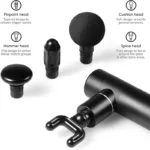
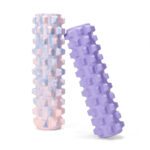
Pair your nutrition strategy with the right recovery tools — resistance bands, foam rollers, and compression gear to support every phase of muscle repair.
Shop recovery tools at WRT →
Frequently asked questions
Can protein supplements cause kidney damage?
In healthy individuals with normal kidney function, protein intakes up to 2.2g/kg/day are well-tolerated and safe according to current research. Those with existing kidney disease should consult their doctor before increasing protein intake significantly.
Is more protein always better?
Beyond approximately 2.2g/kg/day, there is no meaningful additional benefit for muscle protein synthesis in healthy individuals. Excess protein is oxidized for energy or converted to glucose — not stored as additional muscle tissue.
How long should I take protein supplements during recovery?
Continue through the full recovery period and beyond. Muscle remodeling continues for weeks to months after the acute injury phase, and maintaining adequate protein intake throughout this window supports the best long-term outcome.
Which protein supplement is best for someone recovering from a muscle tear?
Whey protein for daytime recovery (post-rehab sessions), casein before sleep for overnight repair, and collagen + vitamin C before rehabilitation sessions for connective tissue support. This combination covers all three key recovery windows. Browse all three at
BestNaturalSupplements.us and pair with
structured recovery tools for best results.
The bottom line
The best protein supplements for muscle recovery are: whey (fast post-workout recovery), casein (overnight repair), plant-based blends (dairy-free alternative), collagen (connective tissue support), and EAAs (targeted MPS stimulation). Choose third-party certified products, hit your daily protein target of 1.6–2.2g/kg, and distribute intake evenly across 4–5 meals. Supplements work best as part of a complete recovery approach that includes quality sleep, progressive rehabilitation tools, and adequate overall nutrition.