Torn hamstring muscle recovery time: how long it really takes & how to speed it up
Learn how long a torn hamstring takes to heal and how to recover faster with proven, evidence-based methods. Includes recovery timelines by grade, expert tips, and safe return-to-training guidelines.
A torn hamstring is one of the most common and frustrating sports injuries. Whether it happened sprinting, kicking, or during a heavy deadlift, the question on every athlete’s mind is the same: how long is torn hamstring muscle recovery time going to be?
The honest answer is — it depends. But with the right information, the right protocol, and the right tools, you can recover smarter and return to full strength faster than you might expect.
What is a torn hamstring?
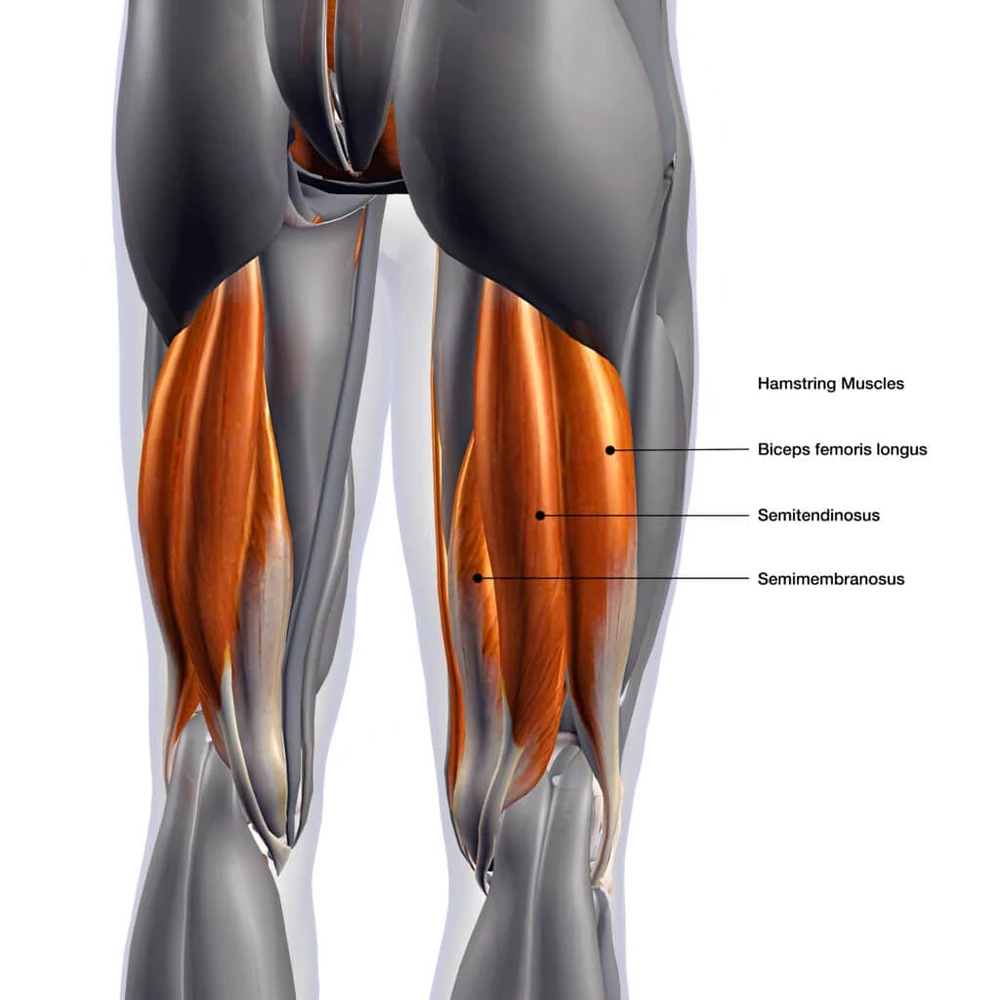
The hamstring is a group of three muscles running along the back of your thigh: the biceps femoris, semimembranosus, and semitendinosus. A tear occurs when these muscles are overstretched beyond their capacity — typically during explosive movements like sprinting or sudden deceleration.
Hamstring tears are classified into three grades:
- Grade 1 (mild): A small number of muscle fibers are torn. You may feel a slight pull or twinge. Minimal strength loss.
- Grade 2 (moderate): A partial tear affecting more fibers. Noticeable pain, swelling, and some loss of function.
- Grade 3 (severe): A complete or near-complete rupture of the muscle. Severe pain, significant bruising, and inability to bear weight.
Torn hamstring muscle recovery time by grade
Understanding recovery timelines by injury grade helps you set realistic expectations and avoid returning to training too early — the number one cause of re-injury.
Grade 1 recovery time: 1–3 weeks
With a Grade 1 strain, most people return to light activity within 7–10 days and full training within 2–3 weeks. Pain is manageable and swelling is minimal. The key risk here is underestimating the injury and going back too soon.
Grade 2 recovery time: 4–8 weeks
A partial tear requires more patience. Expect 4–6 weeks before returning to sport-specific training, and up to 8 weeks for full clearance. During this phase, progressive loading and physical therapy are essential to restore strength without causing re-injury.
Grade 3 recovery time: 3–6 months
A complete rupture is a serious injury. Conservative management can take 3–4 months. If surgery is required — which is rare but possible for avulsion injuries where the tendon detaches from the bone — torn hamstring muscle recovery time can extend to 6 months or longer.
The 4 phases of hamstring recovery
Regardless of grade, hamstring recovery follows a predictable sequence. Respecting each phase is critical to full recovery.
How to speed up torn hamstring muscle recovery time
When to see a doctor
- An audible “pop” at the time of injury
- Inability to bear weight on the leg
- Severe bruising extending down to the back of the knee
- No improvement after 2 weeks of self-care
- Symptoms consistent with a proximal avulsion (pain near the sitting bone)
An MRI is the gold standard for diagnosing hamstring tear grade and guiding treatment decisions.
Return-to-sport criteria
Time alone should never be the only criterion for returning to training. Evidence-based return-to-sport criteria include:
- Limb Symmetry Index (LSI) >90% on strength testing
- Full, pain-free range of motion
- Ability to perform sport-specific movements without compensation
- H:Q ratio (hamstring-to-quadriceps strength ratio) within normal range (>0.6)
Frequently asked questions
Torn hamstring muscle recovery time ranges from 1–3 weeks for mild strains to 3–6 months for complete ruptures. The most important variables are: starting active recovery early, progressing load systematically, and not rushing your return to sport. Equip your recovery with the right tools — foam rollers, resistance bands, and compression gear — and support it with proper nutrition and sleep. Your hamstrings can and will recover fully with the right approach.